The Ultimate Arizona National Park Road Trip: Everything You Need to Know
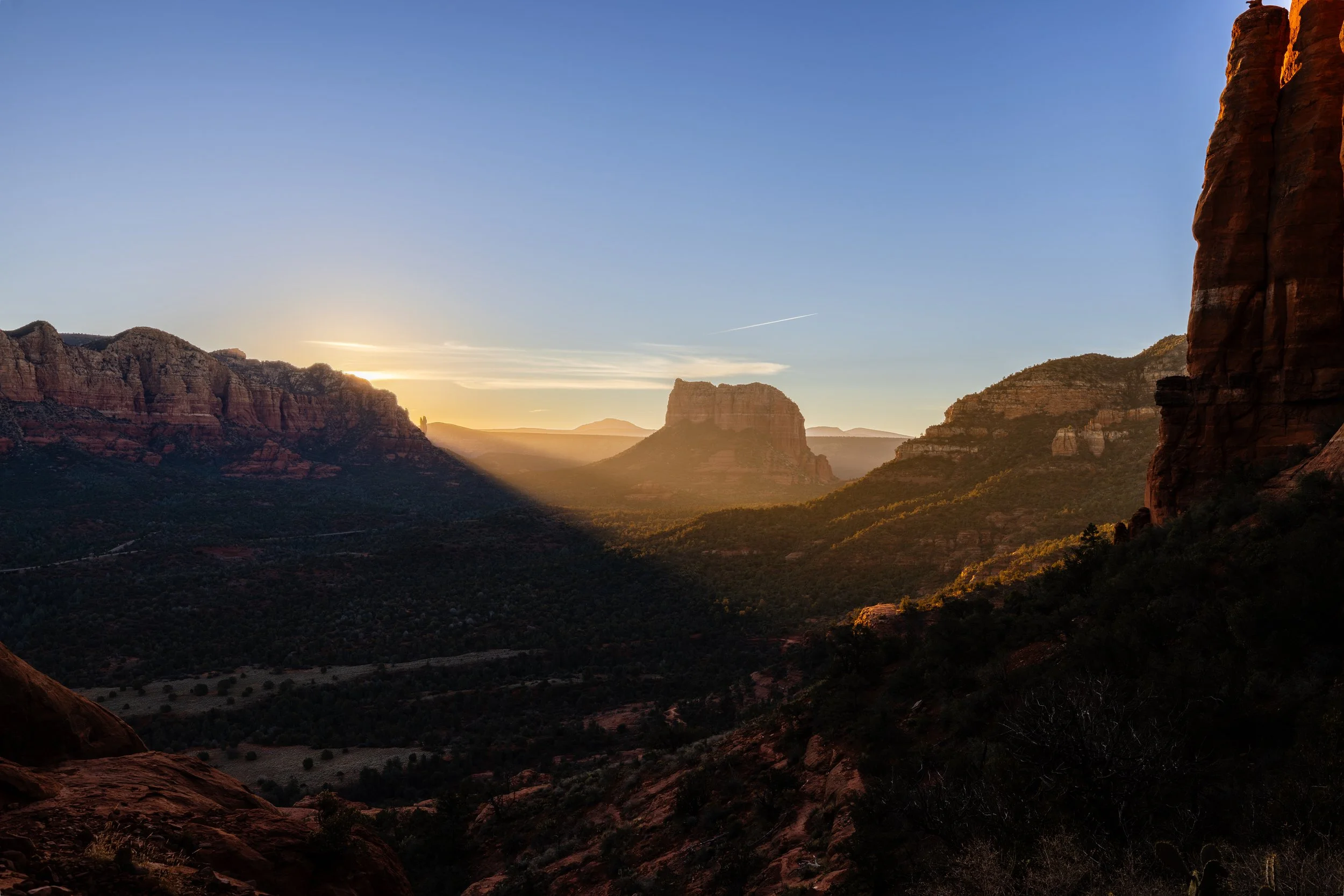
Arizona is one of those places that genuinely lives up to the hype. We've done two separate road trips across the state — one through the north, one through the south — and we've covered just about every corner of it. In this blog, we're breaking down our full Arizona experience: the route we'd recommend, the best hikes, the most surprising stops, and a few hard-learned lessons along the way.
The Ultimate Arizona Route
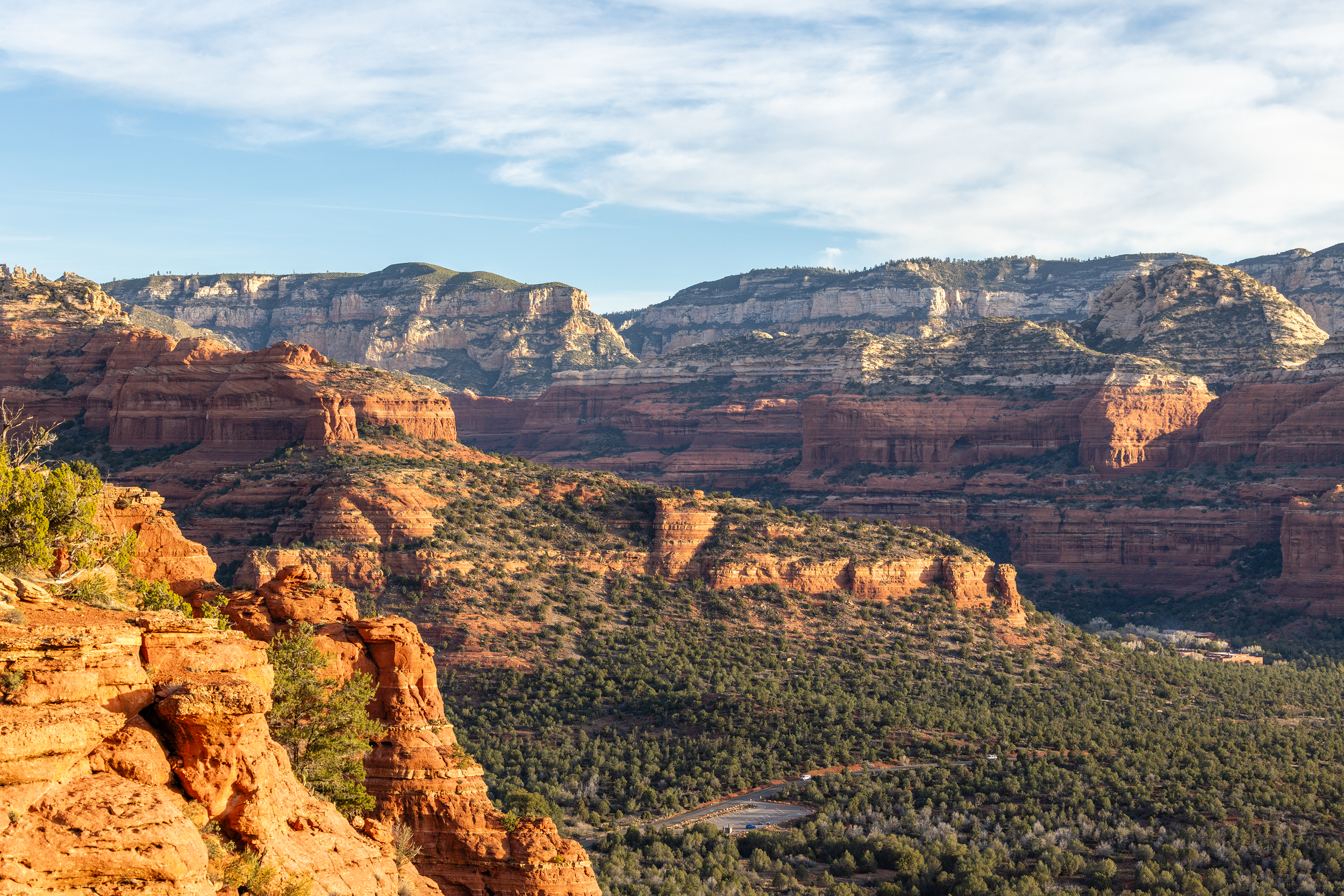
We recommend flying into Phoenix and doing a counterclockwise loop through the state. Here's the order we'd suggest if you're combining both trips into one:
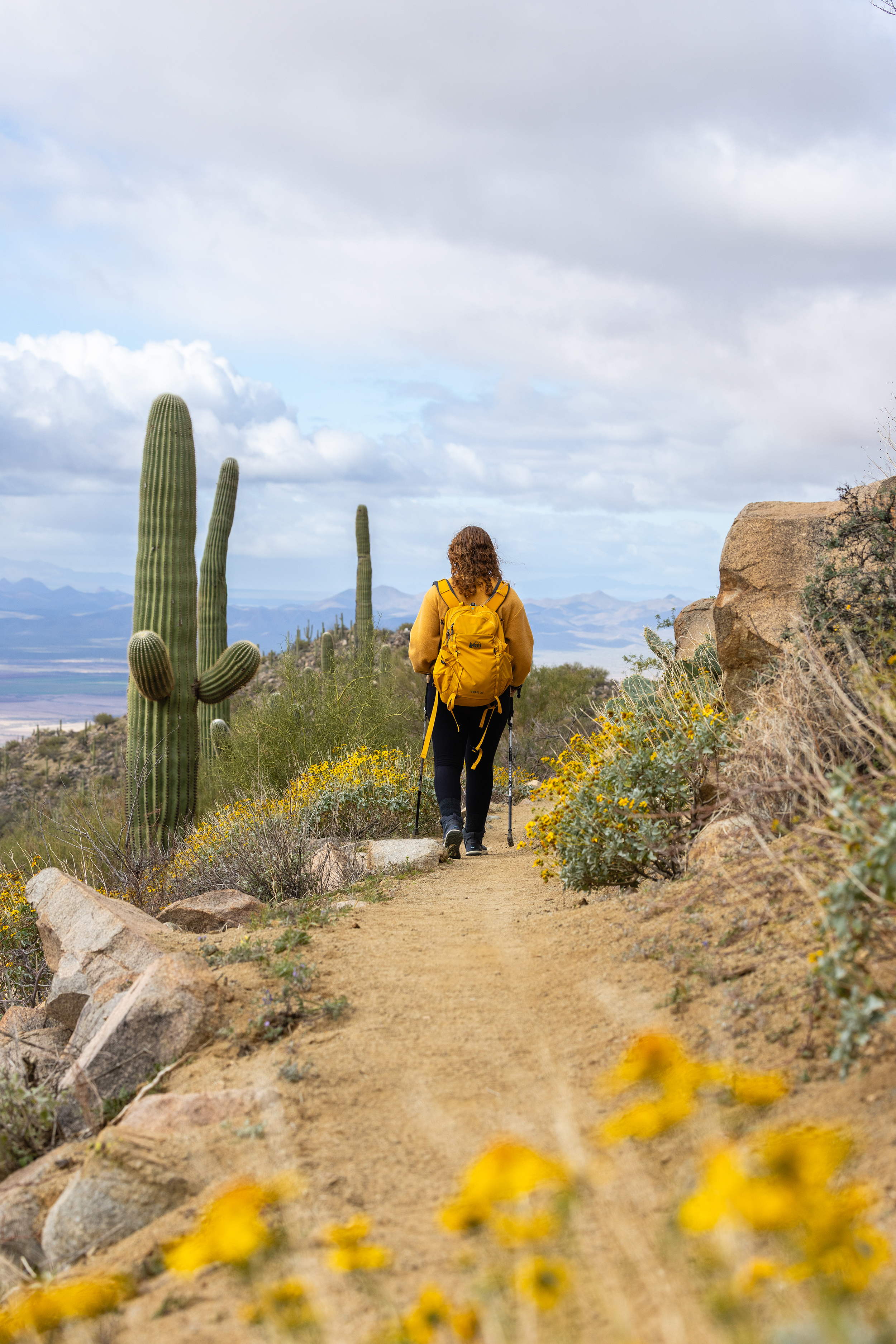
1. Saguaro National Park (near Tucson) Known for its towering saguaro cacti — the tallest in the world — plus mountains and desert scenery. It's our jumping-off point for the southern portion of the trip.
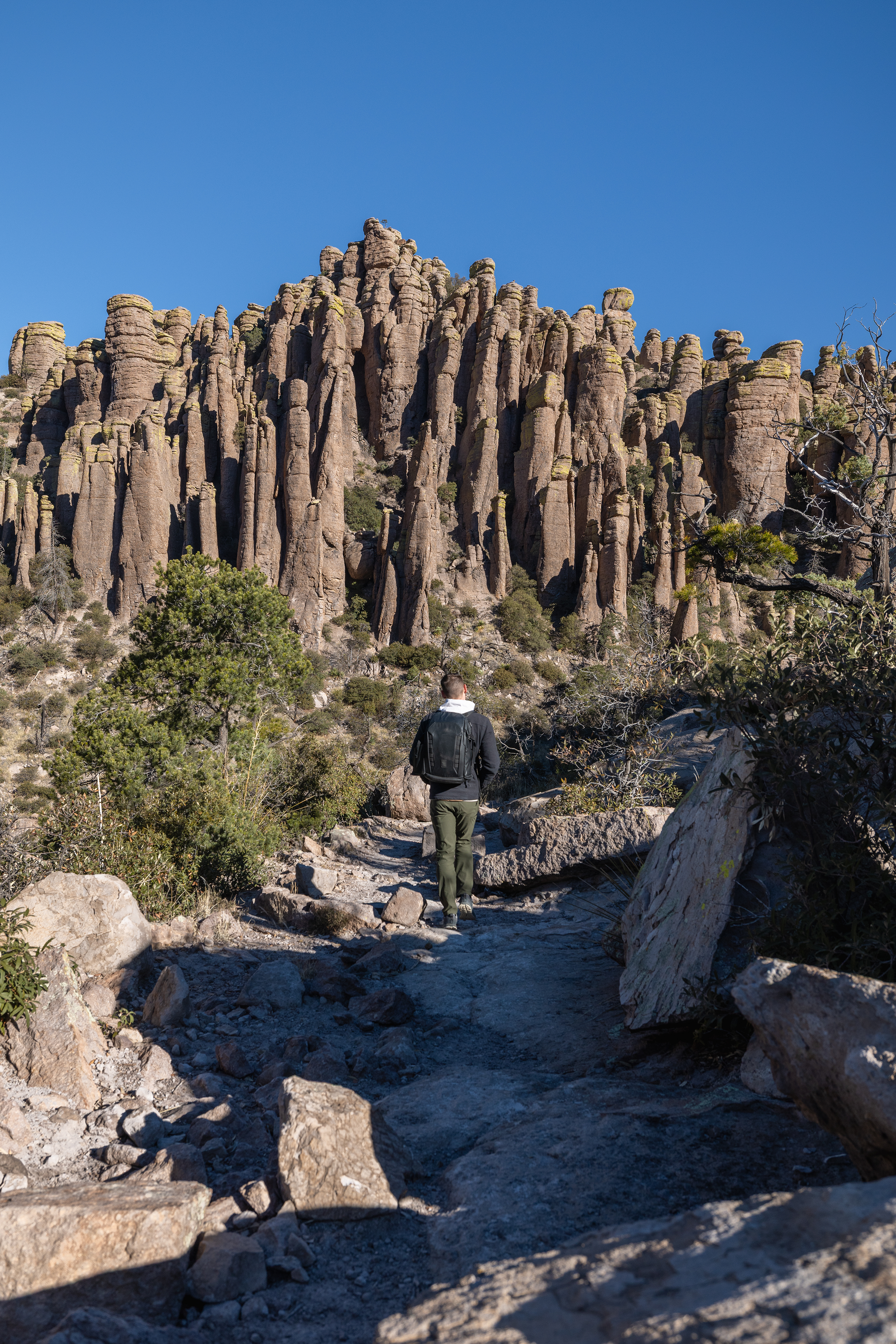
2. Chiricahua National Monument (east of Tucson) This one consistently surprises people. Think stone pillars, balanced rocks, and towering formations scattered across the landscape. Carl described it as "Bryce Canyon with hoodoos, but rock." It's dramatic, otherworldly, and completely underrated.
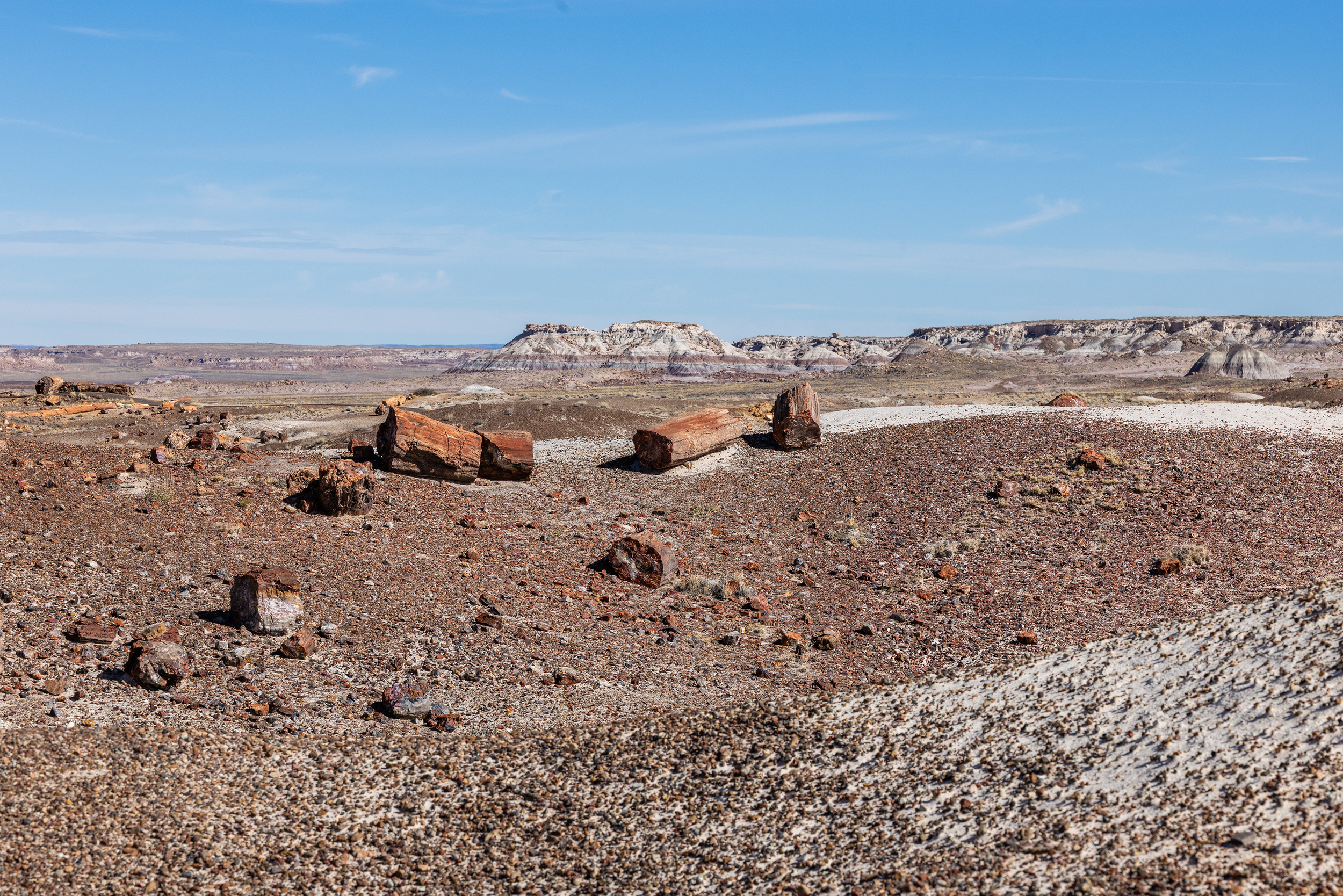
3. Petrified Forest National Park Home to ancient crystallized wood and badlands terrain that feels like another planet. The petrified wood dates back to the dinosaur era, and the landscape is unlike anything else on the trip.
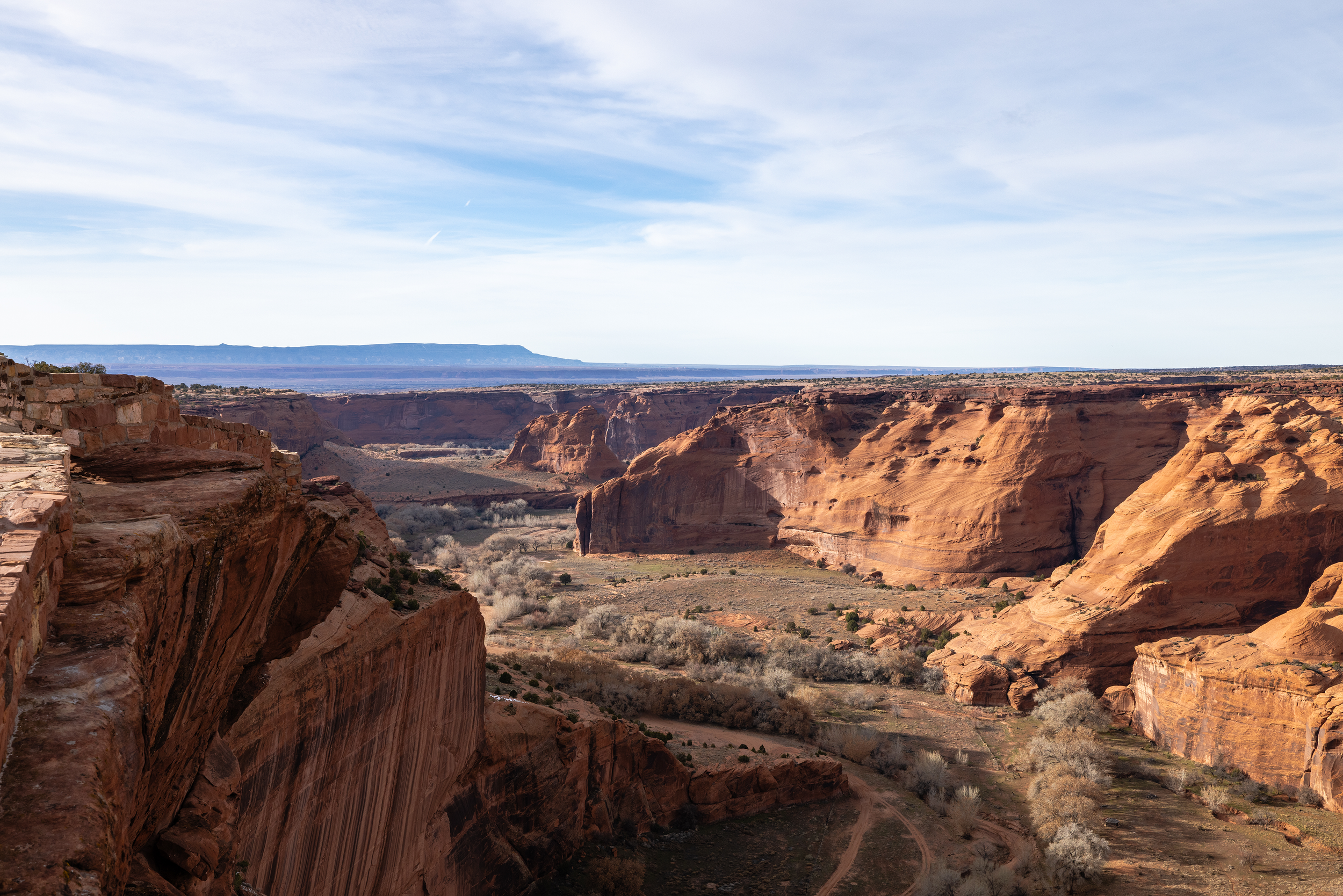
4. Canyon de Chelly National Monument(pronounced "Canyon de Shay") A stunning canyon with a rich 5,000+ year history of Native American habitation. The canyon itself is beautiful, and the cultural significance adds a layer that sets it apart from other stops.
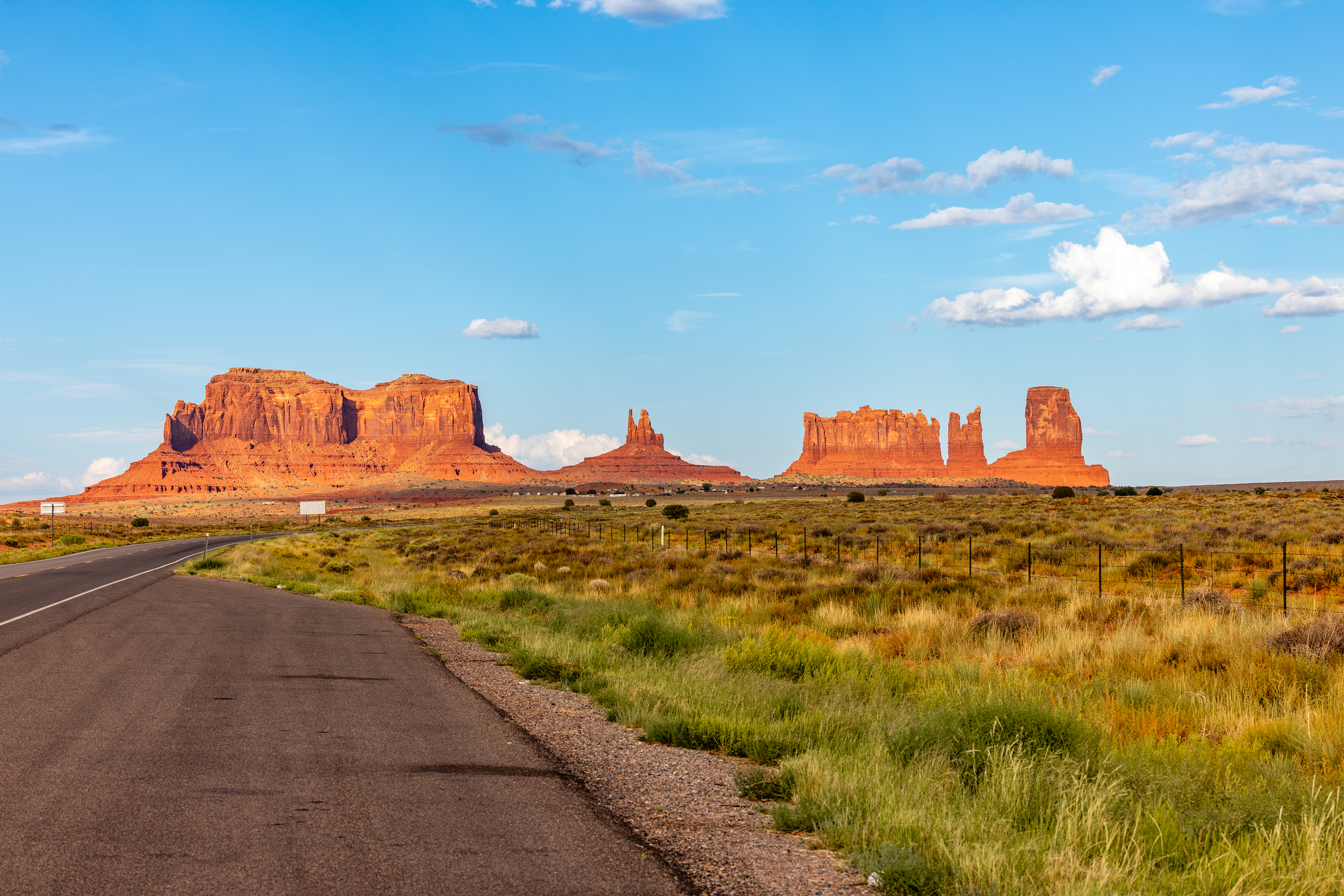
5. Monument Valley The iconic red buttes rising from the desert floor. We weren't able to get inside the park on our trip (more on that below), but the surrounding area is still visually stunning.
6. Page, Arizona A hub for some of Arizona's most famous sights: Horseshoe Bend, Antelope Canyon, and Lake Powell. Plan to spend significant time here.
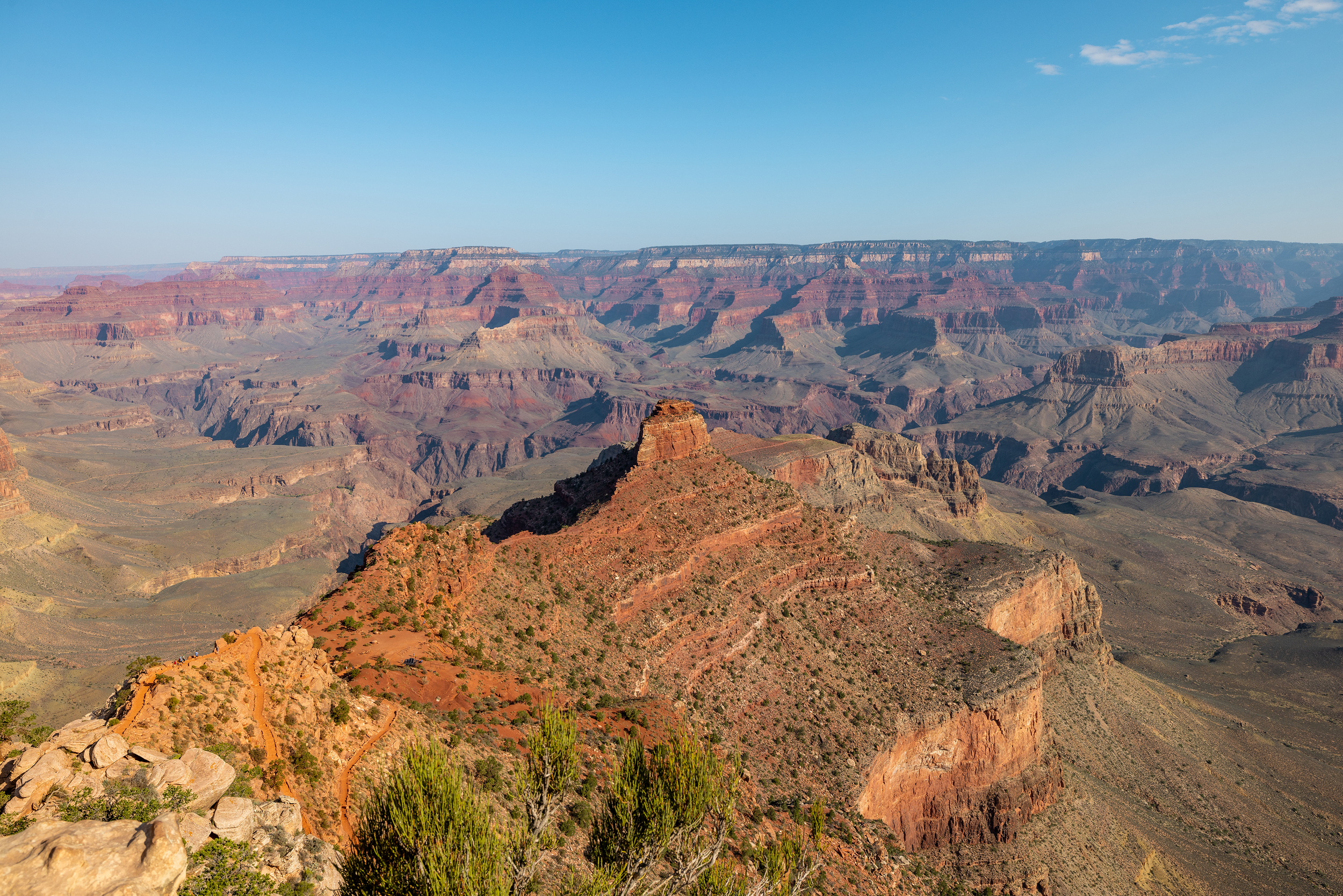
7. Grand Canyon The crown jewel of Arizona's national parks. Then head south to finish the loop.
8. Sedona A red-rock paradise full of hiking, mountain biking, ATV tours, hot air balloons, and views that'll make your daily commute back home feel like a punishment. End your trip here before driving back to Phoenix.
When to Visit
We've done trips to Arizona in September and in late February/March, and both worked really well. Here's our take on each season:
Avoid summer. The heat in Arizona is extreme, and midday outdoor activity becomes genuinely difficult. You just can't spend a lot of time out and about in the middle of the day.
Spring is ideal. Wildflowers bloom across the state, and the temperatures are comfortable. We caught a hint of it on our February trip and it was beautiful — totally unexpected.
Fall is also great — cool but not cold, and the light is spectacular for photography.
Winter can work, but be prepared for snow, especially at the Grand Canyon and Sedona, which can close certain trails and roads. We actually experienced some snow on our most recent trip — not a lot, but it's something to plan for.
The Van Life Experience
Our most recent Arizona trip was our first time doing van life, and we have thoughts. The short version: totally worth it for a 6-day road trip, but probably not our long-term lifestyle.
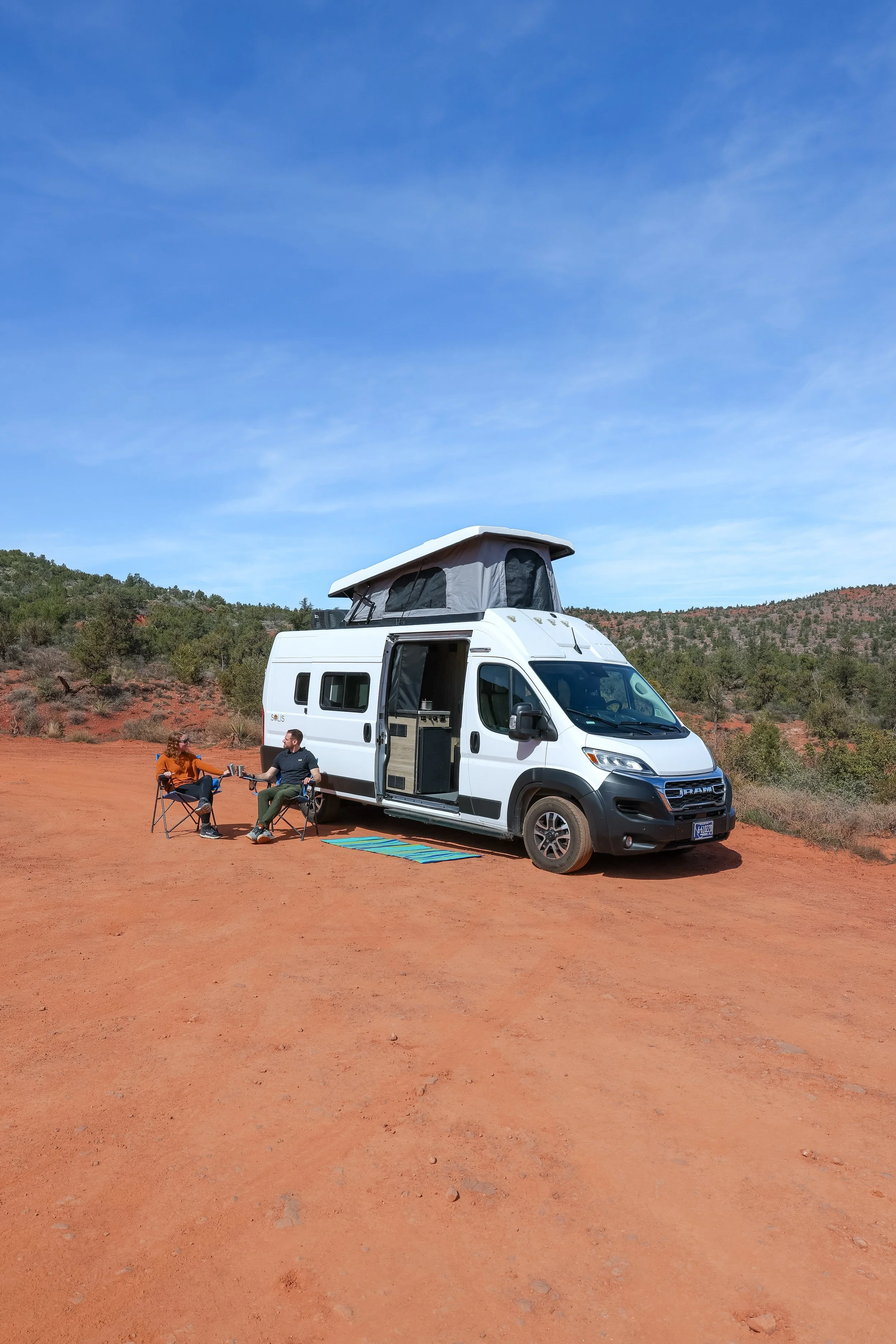
The conveniences were real — a mini fridge, a cooktop, a sink, a bathroom, and most importantly, not having to pack and unpack every single night. When you're moving locations daily (which is how we roll), that's a bigger deal than it sounds. We cooked almost every meal, eating out only once, which saved both time and money.
The campgrounds were conveniently close to wherever we needed to be at sunrise, which made early starts so much easier. We'd just roll in, set up (which mostly meant plugging in or not), and wake up right where we needed to be.
Could we do it long-term? Probably not in a van — the space just isn't there. But a bigger RV would make longer trips more doable, though then you start running into access issues. Some national park roads have vehicle length restrictions. Chiricahua National Monument, for example, doesn't allow vehicles over 24 feet. Our van was under the limit, but if you're in an RV or towing a trailer, check the restrictions before you go.
Sedona: Our Runaway Favorite
Ask either of us our favorite spot in Arizona, and the answer is the same: Sedona.
The red rocks are everywhere — surrounding the town, lining the roads, visible from every trailhead. Driving around Sedona made us fully realize just how boring Virginia interstates are. People commute through that scenery every day. We were genuinely in awe just driving from one hike to the next. Kelley would move there tomorrow if she could.
Hiking in Sedona
Cathedral Rock at Sunrise — This is our top hike in Sedona, and honestly one of our favorites from the whole trip. There's some rock scrambling involved, and the parking lot is tiny — we got there about an hour before sunrise and grabbed one of the very last spots. Important logistics: you can only do this hike at sunrise Monday through Wednesday. Thursday through Sunday, the Sedona shuttle operates and you can't park at the trailhead — and the shuttle doesn't run before sunrise, so a sunrise hike just isn't possible on those days.
Pro tip: At the top, don't stop when you see the "End of Trail" sign. Go left, follow the path, and you'll find a passageway leading to a hidden spire with incredible views. There's also a vortex up there — we didn't feel anything different, but it was cool to know about!
Doe Mountain — If you want something peaceful and less crowded, this is the one. We had the entire mesa to ourselves for at least 30 minutes. Beautiful panoramic views over Sedona, and nothing crazy in terms of difficulty. A really nice contrast to the busier hikes.
Secret Slick Rock Trail — An underrated option that not a lot of people know about. We did this one in the afternoon and really enjoyed it.
Courthouse Butte / Bell Rock Loop — We did this one at sunset and it was gorgeous. The golden light hitting the surrounding rock formations was really pretty.
On our bucket list for next time: Devil's Bridge, Soldier Pass, Seven Sacred Pools, and the Subway Cave. All of these are popular enough that you'll either need to arrive early for parking or take the Sedona shuttle to the trailhead — something we just didn't feel like dealing with on this trip. We still almost didn't get a parking spot on the hikes we did do, so plan accordingly.
How long should you spend in Sedona? We'd recommend at least three days to really experience it. We had a day and a morning and felt like we barely scratched the surface. You could easily fill a week there without getting bored — there's hiking, mountain biking, ATV tours, hot air balloon rides, and more.
Page, Arizona: Worth Every Bit of the Hype
Page honestly surprised us. We went in expecting the crowds to take away from the experience — they really didn't.
Horseshoe Bend
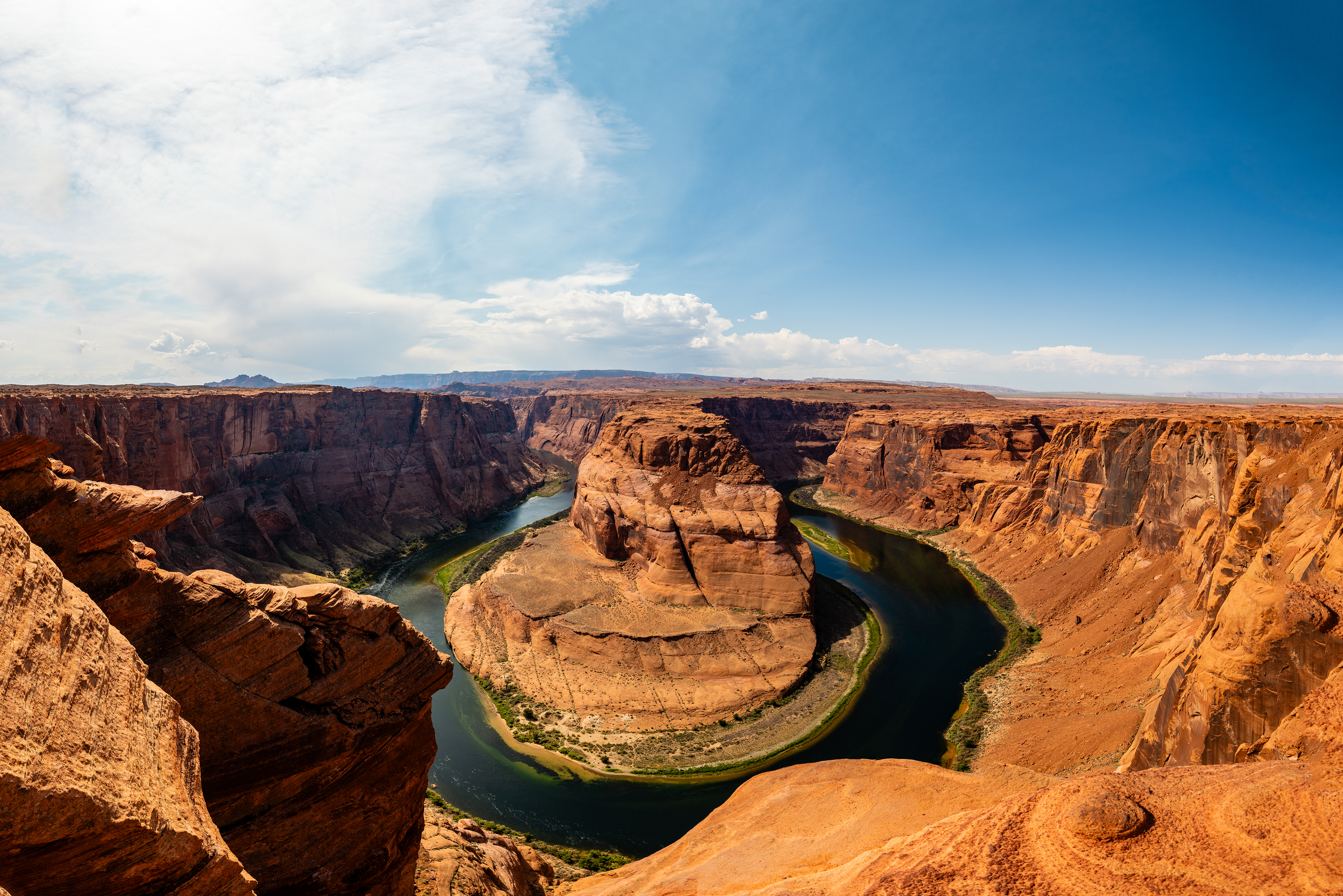
This one exceeded our expectations. The viewpoint area is large enough that you can find your own space even when it's busy — nothing like Arches, where you're literally standing in line waiting for a photo. Go at sunset rather than sunrise if you can. The canyon walls glow at sunset, while much of the canyon sits in shadow at sunrise — we learned that one firsthand. There's no shade on the short walk in, so bring more water than you think you need. Also worth knowing: your America the Beautiful pass doesn't cover the parking fee here.
Antelope Canyon
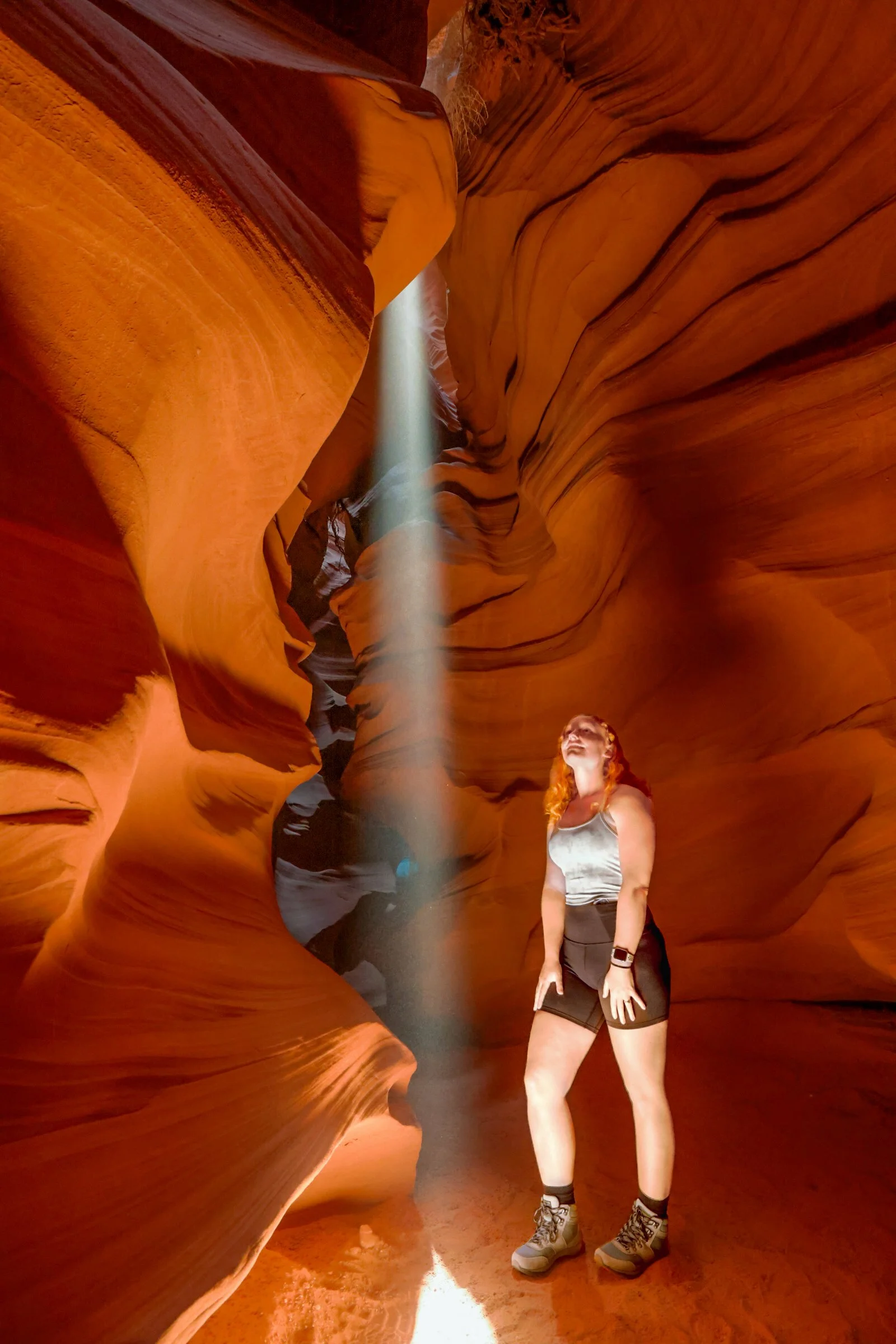
We did two different tours — Upper Antelope Canyon and Canyon X — and we're glad we did both.
Upper Antelope Canyon is the prettier of the two, especially if you go during the midday light beam window (May through October, around noon). The light beams are genuinely spectacular and unlike anything we've seen. It's crowded and the pace is faster, but the guides still made time for photos. Book months in advance if you want that midday slot.
Canyon X is cheaper, more relaxed, and you can take as much time as you want. The guides are laid-back and there's zero pressure to keep moving. The walls have beautiful soft textures, and honestly it was a really pleasant experience.
Lower Antelope Canyon involves ladders and obstacles throughout — we didn't do this one, but it's a third option if that sounds appealing.
The "Secret Cave"
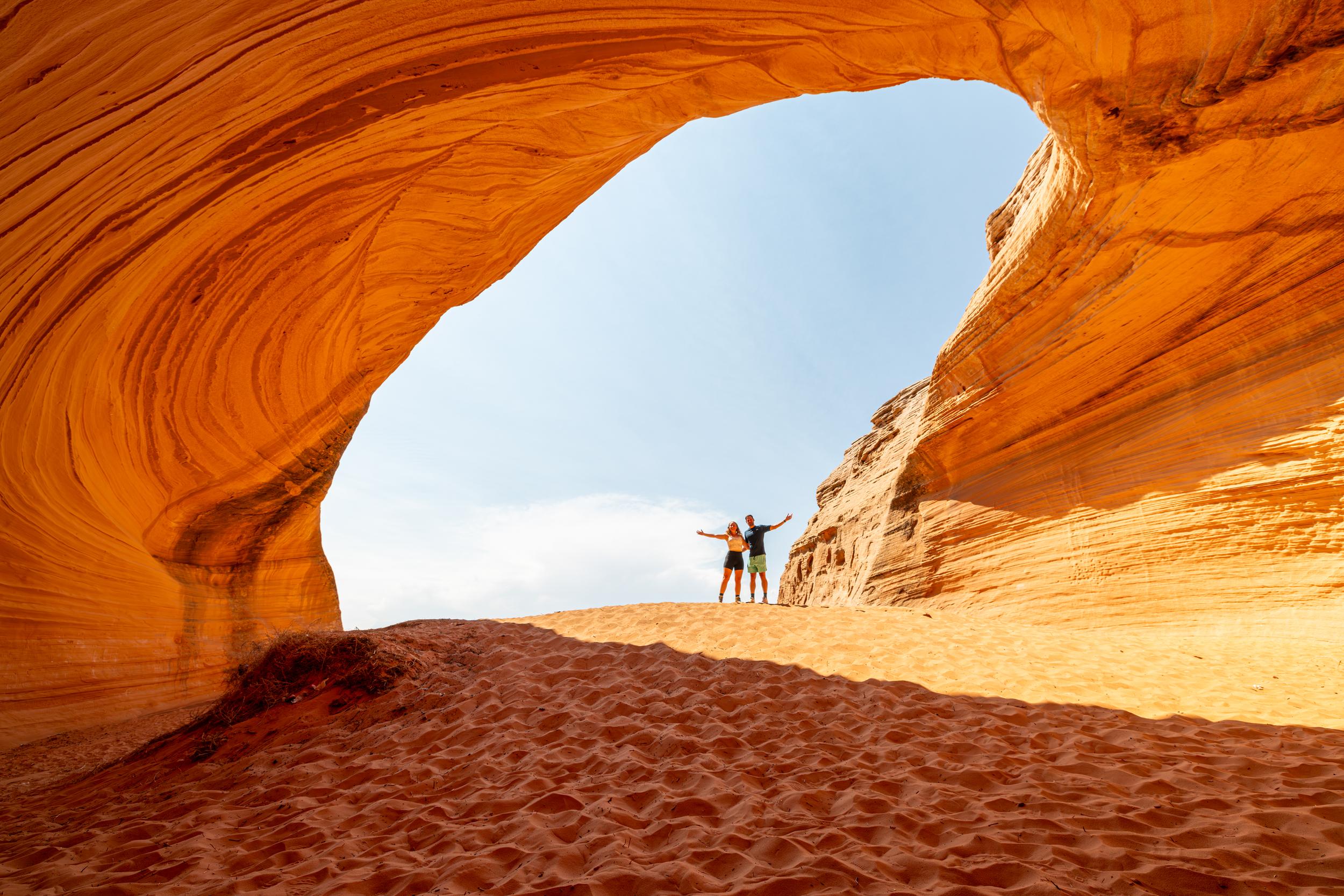
Behind a Shell gas station in Page, there's a path up a small hill that leads to a sandstone alcove — not technically a cave, even though people call it one. The windblown sandstone formations are really beautiful, and it's an easy five-minute detour. It's become less of a secret thanks to social media, but still worth it.
Lake Powell
One of the best lakes in the US, full stop. The red canyon walls surrounding the water make it unlike anything else. It's unfortunate that the water levels keep receding, but it's still breathtaking.
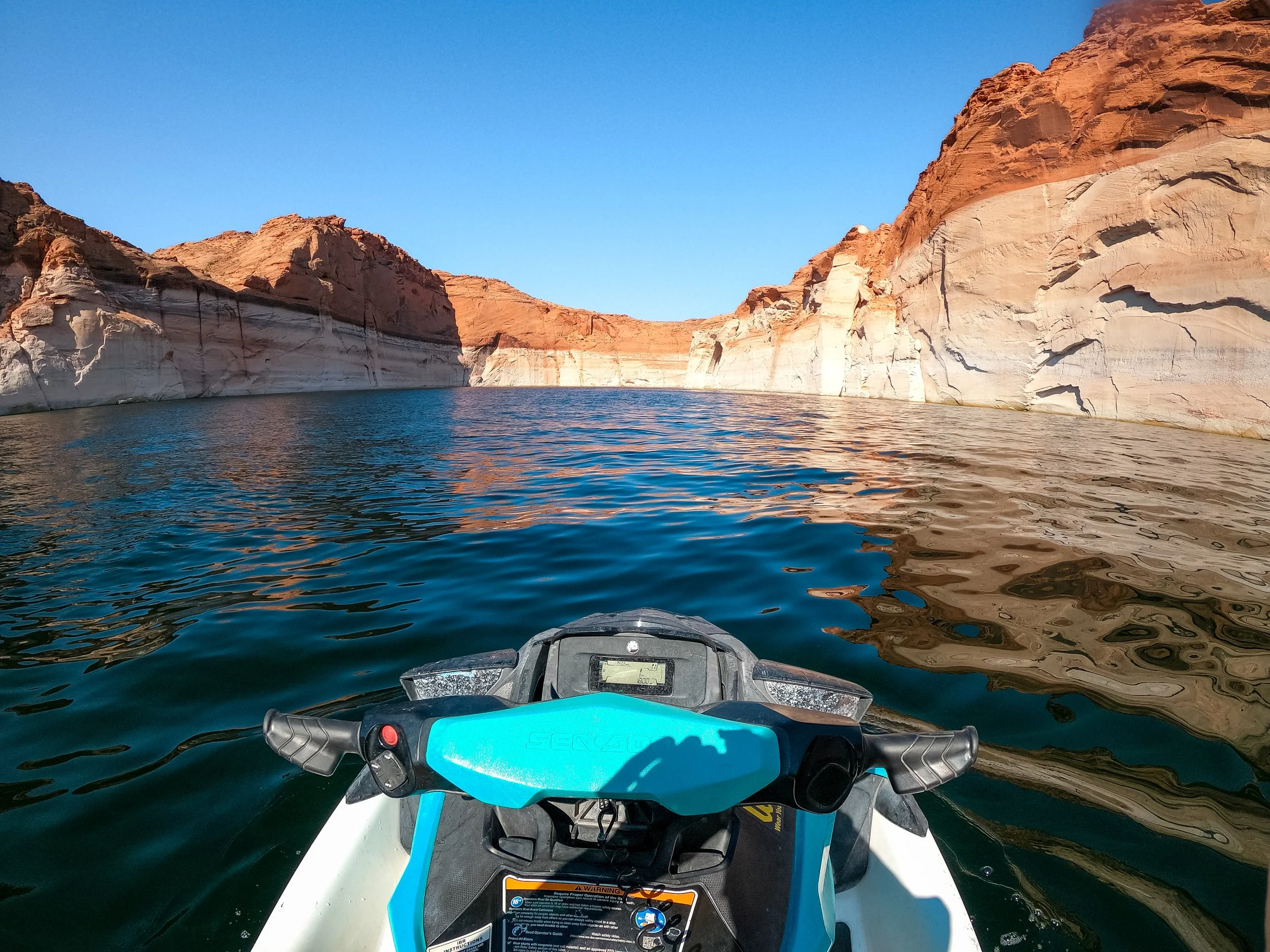
Our favorite activity from the entire trip? Jet skiing on Lake Powell. We explored the canyon walls from the water, cruised around with the wind in our faces, and it was just incredible. We did have one memorable moment — navigating the massive wakes from a row of huge houseboats, we caught air and nose-dived straight into the water. Both of us went completely underwater. Somehow we both stayed on, the jet ski popped right back up, and we were fine — just completely soaked for the rest of the morning. Would absolutely do it again.
If you want a more relaxed water option, kayaking is popular and you can actually paddle to a different section of Antelope Canyon that way.
The Hidden Gem: Mount Lemmon
We didn't include this in our main route overview, but it genuinely surprised us more than almost anything else on the trip.
Catalina Highway in Tucson takes you up to the top of Mount Lemmon — a climb of over 6,000 feet in under 30 miles. You start in the desert surrounded by cacti and end up in snowy pine trees. There's a ski resort at the top. The views are incredible the entire drive, and the transformation is just wild to witness. At the base it was about 75° on the day we went — at the top it was below freezing with snow.
It's right next to Saguaro National Park, so if you're staying in Tucson, it's an easy add-on. Highly recommend going up for either sunrise or sunset.
Arizona Hiking: What You Need to Know
A few things we've learned the hard way (and the easy way) about hiking in Arizona:
Bring more water than you think you need. Most hikes have zero shade. Full sun exposure the entire time. This is non-negotiable — especially in the Grand Canyon.
Start as early as possible. We try to start at sunrise whenever we can. The earlier you get out there, the less intense the sun is, and the more parking options you have.
Come prepared for temperature swings. We've started hikes when it was below freezing and finished them in 70-80° heat. Layer up and have space in your pack to shed clothes as the day warms up.
Don't assume the same weather everywhere. Elevations vary dramatically across Arizona. That Mount Lemmon experience — 75° at the base, snow at the top — is a good example of what to expect.
Watch for snow. Even on the South Rim of the Grand Canyon, snow is possible in certain months and can close trails.
Understand the shuttle system. At the Grand Canyon, you cannot drive to the South Kaibab Trailhead — you have to take the park shuttle. In Sedona, many of the most popular trailheads require the shuttle on certain days. Check before you go so you're not caught off guard.
Some Sedona trails require high-clearance vehicles just to reach the trailhead. Do your research ahead of time.
Download offline maps for both trails and driving. Cell service is unreliable throughout much of the state, and you don't want to be navigating blind in the middle of nowhere.
Trekking poles are worth it. Especially for the Grand Canyon — it's a reverse hike, meaning you go down first and climb back up at the end, when you're already tired and the sun is at its most intense. Our poles have saved our legs on so many trips.
Pack: water (a lot), electrolytes, snacks, a first aid kit, a portable battery pack, and a headlamp. For longer Grand Canyon hikes, we'd seriously consider satellite communication — cell service in the canyon is basically nonexistent.
Petrified Forest: Read the Fine Print (Learn From Our Mistake)
OK, we have to be honest about this one. Kelley planned a golden hour visit to Petrified Forest National Park and didn't check the hours. We arrived at 5:15 PM to find the gate closed. The park runs 8:00 AM to 5:00 PM, and you cannot enter outside those hours.
Signs inside the park also warn visitors to be in their car by 6:00 PM, and the rangers will find you if you're not. The strict hours exist largely to prevent theft of the petrified wood, which is a serious ongoing issue — and honestly, we get it. We just wish we'd known.
If you're dreaming of beautiful golden light hitting those crystallized logs, it's possible — but only in certain months when sunset falls close to 5 PM (December is your best shot). Otherwise, plan your visit for the middle of the day and don't show up at 5:15 expecting to get in like we did. Lesson learned.
Most Overrated vs. Most Underrated
Most Underrated: Chiricahua National Monument and Petrified Forest. Both are easy to overlook when Grand Canyon dominates the itinerary, but both offer something completely different and worth your time.
Most Overrated: Forrest Gump Point. We tried to get into Monument Valley but arrived after they stopped letting visitors in at 2 PM, so we ended up at Forrest Gump Point — a viewpoint along the road where you can get the recognizable photo. It was fine, but it's not Monument Valley. If you go, make sure you actually get into the park.
Justified hype: Grand Canyon, Horseshoe Bend, and Antelope Canyon all earned their reputations. We went in skeptical about the crowds and came out believers.
Final Verdict
Arizona is the real deal. Every stop on this list brought something different, and almost everything exceeded our expectations. If you want great hiking, dramatic scenery, water activities, and outdoor adventures all in one road trip, this is the state to do it in. We have no complaints after covering the whole state twice, and we'd go back again in a heartbeat.
If you want help planning your own Arizona trip, our Arizona guide covers three different itineraries to fit different travel styles and timeframes.
Plan the perfect Arizonal road trip—without the overwhelm.
This 58-page digital guide covers 3 National Parks, 2 National Monuments,2 State Parks, and iconic stops like Page, AZ, Monument Valley, and Sedona, giving you a clear, stress-free plan for exploring the best of the Arizona.
Inside, you’ll find 3 done-for-you itineraries (7, 10, and 14 days), a custom interactive map with 150+ pins, and curated lodging and activity recommendations to make planning easy and efficient.
Whether you’re maximizing PTO or planning the road trip of a lifetime, this guide gives you everything you need to hit the road with confidence.
Download once. Plan smarter. Adventure more. 🌄🚐
This Guide is included in The Ultimate Southwest National Park Road Trip Guide
We offer a FREE upgrade program with all of our guides. This means that when we update it you will have the ability to receive the new version at no additional coast to you!
Plan the perfect Southwest road trip—without the overwhelm.
This 120-page digital guide covers 9 National Parks, 4 State Parks, and iconic stops like Page, AZ Sedona, and Monument Valley, giving you a clear, stress-free plan for exploring the best of the Southwest.
Inside, you’ll find 7 done-for-you itineraries, custom interactive maps with 315+ pins, and curated lodging and activity recommendations to make planning easy and efficient.
Whether you’re maximizing PTO or planning the road trip of a lifetime, this guide gives you everything you need to hit the road with confidence.
Download once. Plan smarter. Adventure more. 🌄🚐
We offer a FREE upgrade program with all of our guides. This means that when we update it you will have the ability to receive the new version at no additional coast to you!
